Every car owner eventually needs to replace worn-out components to keep their vehicle running safely and efficiently. Whether it’s brake pads, engine filters, suspension parts, batteries, or spark plugs, using the right automobile spare parts for cars can significantly improve performance, safety, and fuel efficiency.
With thousands of spare parts available in the market, choosing the correct replacement can feel overwhelming. This guide explains the different types of car spare parts, how to select quality replacements, and essential maintenance tips that can save you money while extending your vehicle’s lifespan.
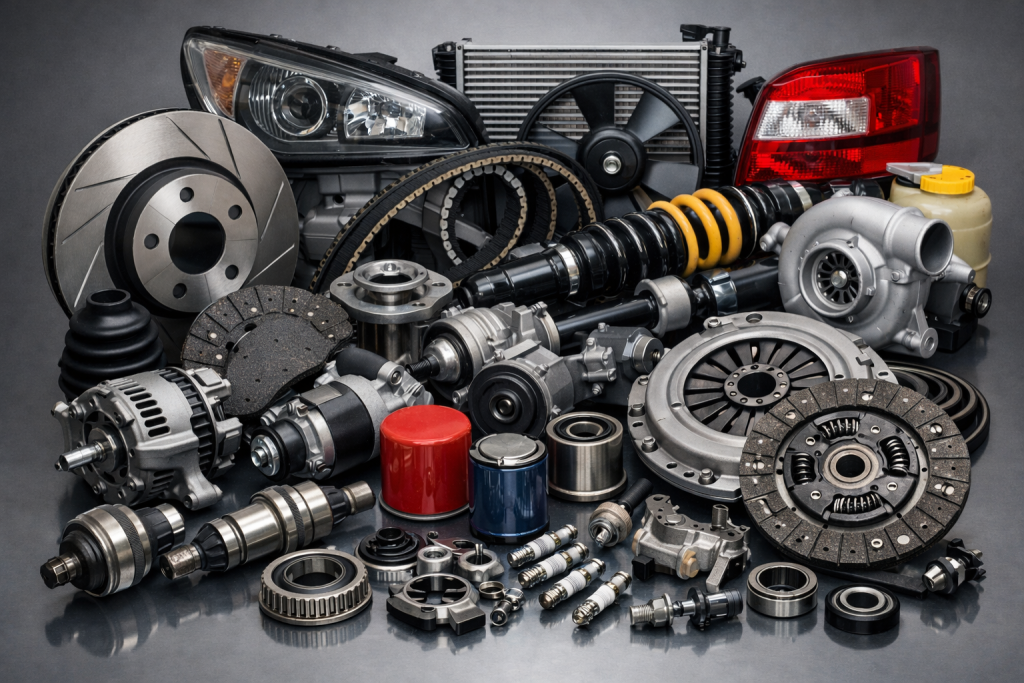
What Are Automobile Spare Parts?
Automobile spare parts are replacement components used to repair, maintain, or upgrade a vehicle. These parts restore your car’s original performance after normal wear and tear or accidental damage.
They range from simple items like windshield wipers and air filters to complex components such as transmissions, steering systems, and engine parts.
Why Quality Spare Parts Matter
Using high-quality spare parts provides several benefits:
- Improved vehicle safety
- Better fuel efficiency
- Longer engine life
- Reduced repair costs
- Enhanced driving comfort
- Reliable performance
- Higher resale value
- Lower risk of breakdowns
Cheap or counterfeit parts may fail prematurely and even damage other vehicle components.
Common Types of Automobile Spare Parts
1. Engine Parts
Engine components keep the heart of your car running efficiently.
Examples include:
- Pistons
- Spark plugs
- Timing belts
- Fuel injectors
- Oil filters
- Air filters
- Gaskets
- Water pumps
Regular replacement prevents expensive engine repairs.
2. Brake System Parts
Brakes are among the most important safety components.
Common brake parts include:
- Brake pads
- Brake discs
- Brake drums
- Brake calipers
- Brake fluid
- Master cylinder
Replace brake components immediately if you notice reduced stopping power.
3. Suspension Components
The suspension system ensures a smooth ride and better vehicle control.
Major components include:
- Shock absorbers
- Struts
- Springs
- Ball joints
- Control arms
- Bushings
Worn suspension parts affect steering and tire wear.
4. Steering Parts
Steering components provide precise vehicle control.
Examples:
- Steering rack
- Tie rods
- Steering pump
- Power steering fluid
- Steering column
5. Electrical Spare Parts
Modern vehicles depend heavily on electrical systems.
Popular electrical components include:
- Car battery
- Alternator
- Starter motor
- Ignition coils
- Sensors
- Headlights
- Wiring harnesses
- Relays
- Fuses
6. Cooling System Components
These prevent engine overheating.
Important parts:
- Radiator
- Thermostat
- Cooling fan
- Radiator hoses
- Water pump
- Coolant reservoir
7. Transmission Parts
Transmission components transfer engine power to the wheels.
Examples include:
- Clutch kit
- Gearbox components
- Torque converter
- Transmission filter
- Transmission oil
8. Exterior Body Parts
These restore your vehicle’s appearance after damage.
Examples:
- Bumpers
- Side mirrors
- Doors
- Bonnet
- Fenders
- Tail lamps
- Headlamps
- Grilles
9. Interior Parts
Interior components improve comfort and functionality.
Examples:
- Dashboard parts
- Seat covers
- Door handles
- AC vents
- Floor mats
- Steering wheel covers
- Window switches
OEM vs Aftermarket Spare Parts
OEM (Original Equipment Manufacturer)
Advantages:
- Perfect fit
- Manufacturer warranty
- Reliable quality
- Long lifespan
Disadvantages:
- Higher price
Aftermarket Parts
Advantages:
- Affordable
- Wide availability
- Performance upgrades available
- Large selection
Disadvantages:
- Quality varies by manufacturer
Choosing reputable aftermarket brands can offer excellent value without sacrificing reliability.
Signs Your Car Needs Replacement Parts
Watch for these warning signs:
- Unusual engine noises
- Poor fuel economy
- Dashboard warning lights
- Excessive vibration
- Difficulty starting
- Brake squealing
- Rough gear shifting
- Suspension noises
- Fluid leaks
- Engine overheating
Ignoring these symptoms can lead to costly repairs.
How to Choose the Right Automobile Spare Parts
Know Your Vehicle Details
Always have:
- Make
- Model
- Manufacturing year
- Engine type
- VIN (Vehicle Identification Number)
This ensures compatibility.
Buy Genuine Products
Purchase from trusted suppliers to avoid counterfeit products.
Look for:
- Manufacturer packaging
- Warranty
- Authentic labeling
- Product serial numbers
Compare Prices
Don’t automatically buy the cheapest option.
Compare:
- Build quality
- Warranty
- Brand reputation
- Customer reviews
Check Warranty Coverage
Reliable manufacturers provide warranties on most components.
Longer warranty usually reflects better confidence in product quality.
Most Frequently Replaced Car Spare Parts
Some parts naturally wear out faster than others.
Common replacements include:
- Engine oil
- Oil filter
- Air filter
- Cabin filter
- Brake pads
- Brake discs
- Tires
- Battery
- Spark plugs
- Wiper blades
- Headlight bulbs
Following the recommended maintenance schedule helps prevent unexpected failures.
Benefits of Regular Spare Part Replacement
Replacing worn components on time offers several advantages.
Better Safety
Healthy brakes, tires, and steering components reduce accident risks.
Improved Fuel Economy
Clean filters and properly functioning engine parts help reduce fuel consumption.
Lower Maintenance Costs
Preventive replacement avoids expensive repairs.
Better Driving Experience
Smooth suspension and steering improve ride comfort.
Increased Vehicle Reliability
Regular maintenance reduces roadside breakdowns.
Maintenance Tips for Longer Spare Part Life
Follow these simple practices:
- Change engine oil regularly
- Replace filters on schedule
- Check tire pressure monthly
- Rotate tires regularly
- Monitor coolant levels
- Inspect brake pads frequently
- Wash the vehicle regularly
- Avoid aggressive driving
- Fix warning lights promptly
- Use quality lubricants
Where to Buy Automobile Spare Parts
Reliable sources include:
- Authorized dealerships
- Certified spare parts stores
- Reputed automotive retailers
- Manufacturer-approved distributors
- Trusted online auto parts marketplaces
Always verify compatibility before purchasing.
Common Mistakes to Avoid
Avoid these costly mistakes:
- Buying counterfeit parts
- Ignoring compatibility
- Delaying replacements
- Choosing extremely cheap products
- Skipping professional installation
- Neglecting preventive maintenance
Future Trends in Automobile Spare Parts
The automotive industry is rapidly evolving.
Emerging trends include:
- Smart sensors
- Electric vehicle components
- Connected diagnostics
- Lightweight materials
- Eco-friendly manufacturing
- 3D-printed spare parts
- AI-powered predictive maintenance
These innovations promise improved durability and vehicle efficiency.
Frequently Asked Questions
Which spare parts should be replaced most often?
Brake pads, filters, engine oil, batteries, spark plugs, tires, and wiper blades are among the most frequently replaced components.
Are aftermarket parts reliable?
Yes. High-quality aftermarket parts from reputable manufacturers can perform as well as OEM parts when they meet industry standards.
How do I know if a spare part fits my car?
Use your vehicle’s make, model, year, engine details, or VIN to verify compatibility before purchasing.
Is it worth buying genuine OEM parts?
OEM parts are ideal for critical systems where precise fit, durability, and warranty support are important.
Can poor-quality spare parts damage my vehicle?
Yes. Inferior components may fail prematurely, reduce performance, and cause additional damage to connected systems.
Conclusion
Choosing the right automobile spare parts for cars is one of the smartest investments you can make in your vehicle. Quality replacement components improve safety, maintain performance, increase fuel efficiency, and reduce long-term maintenance costs. Whether you opt for OEM or trusted aftermarket products, always prioritize compatibility, durability, and reliability over the lowest price. With regular inspections and timely replacements, your car will continue to deliver dependable performance for years to come.


